
Visit Columbia and have fun.
Book a hotel in one of these destinations:
· Bogota – the capital of the country.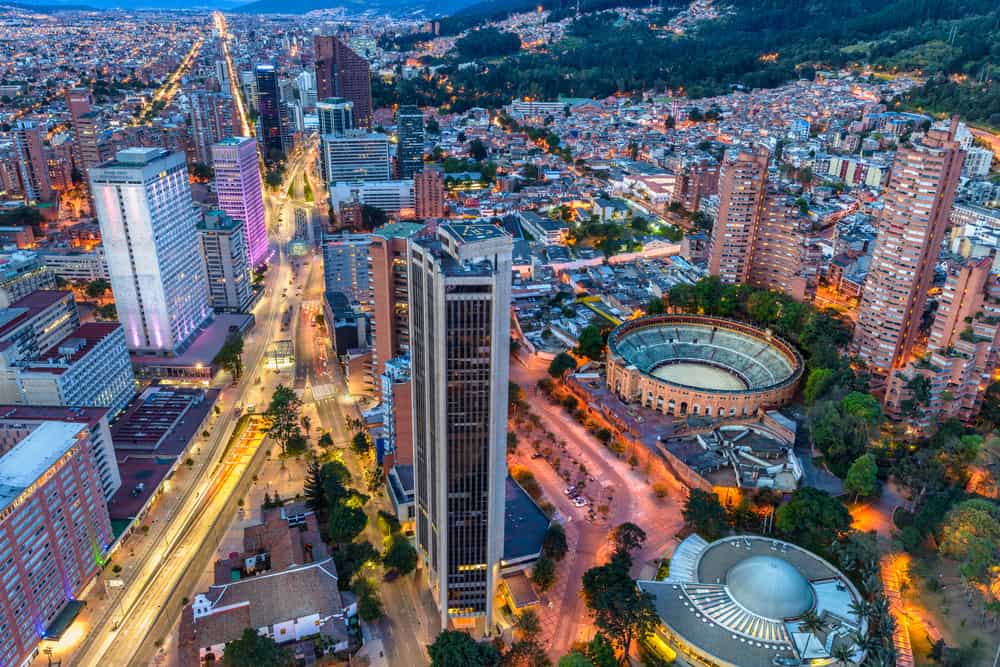
· Cartagena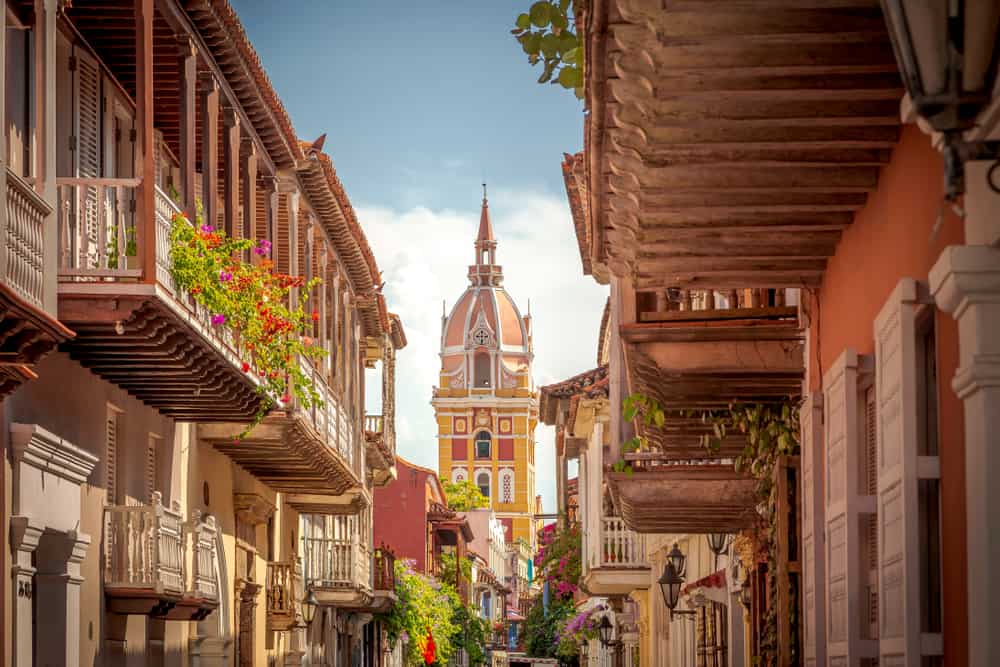
· Medellin
· Cali – the capital of salsa.
· Santa Marta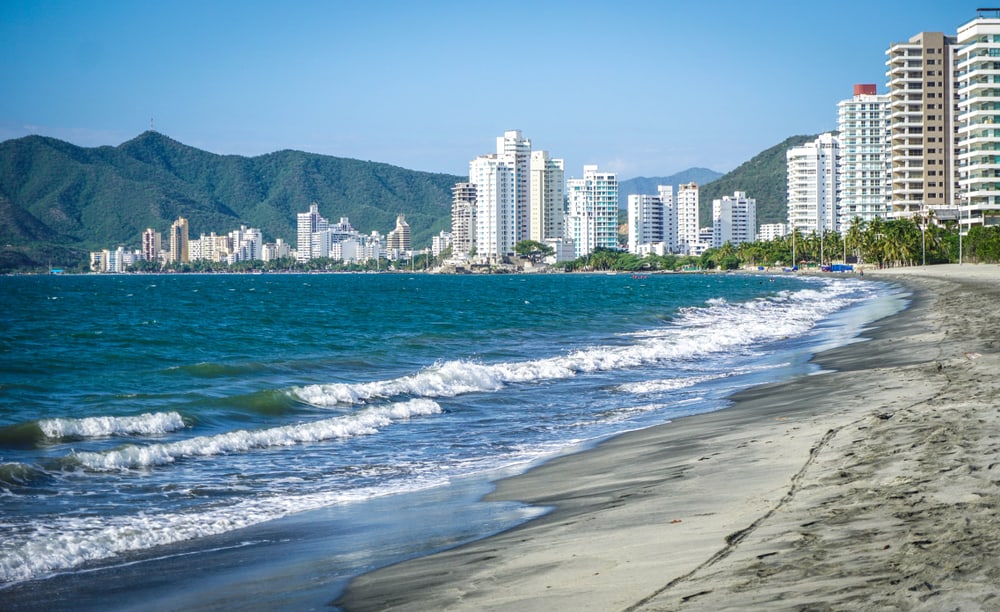
· Manizales
· Bucaramanga
· Barranquilla
· Cucuta
· Armenia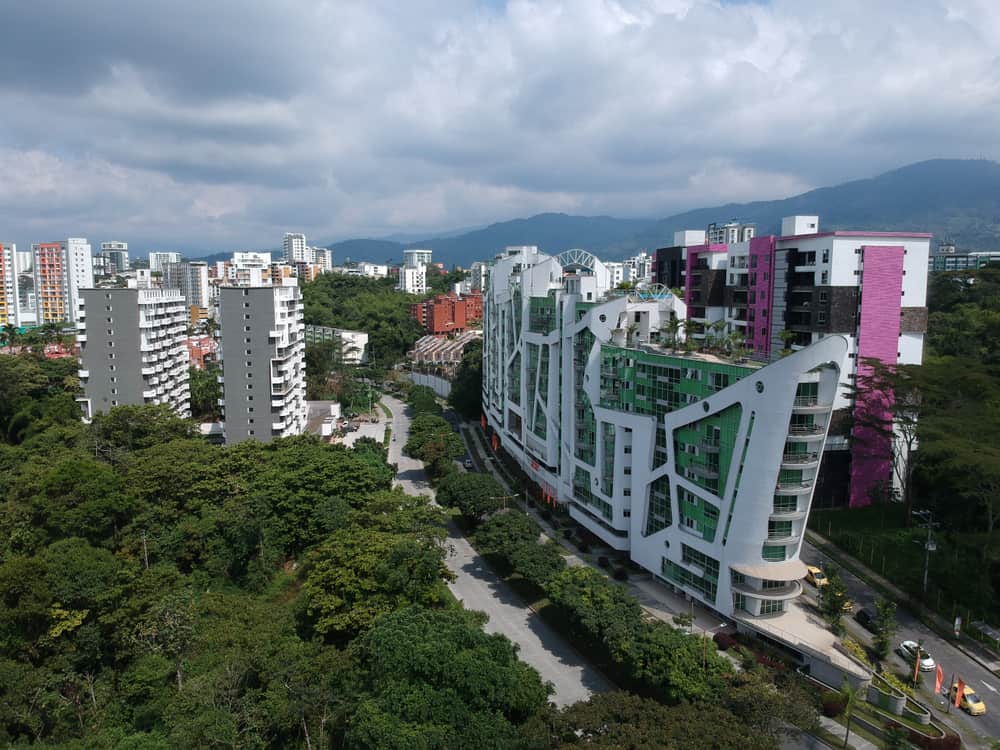
· Pereira
· Neiva
· Pasto
· Villa de Leyva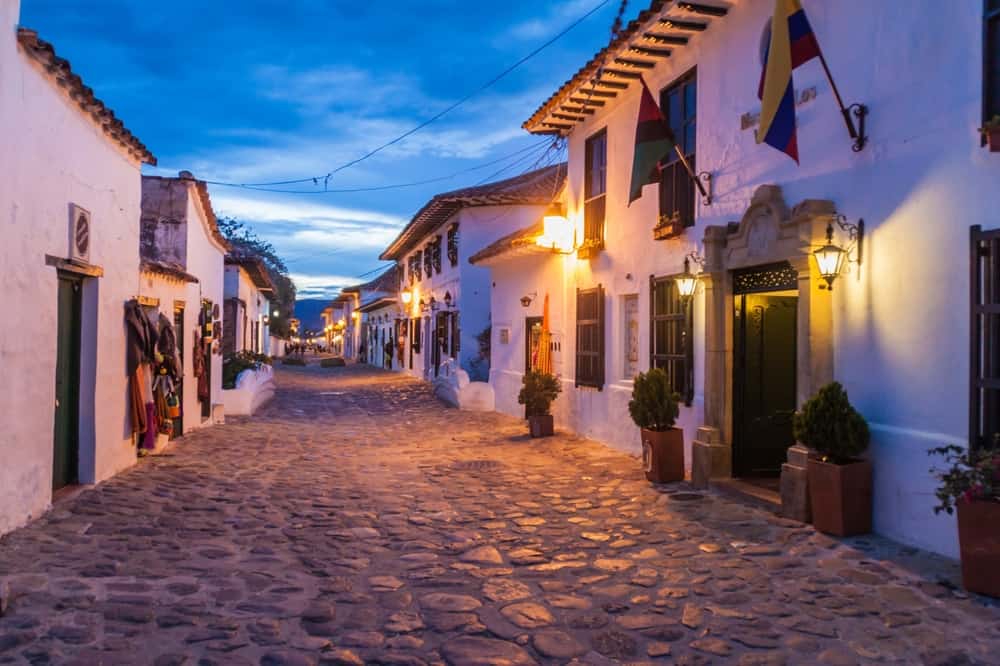
· San Andres
Puerto Nariño
Florencia
I had the opportunity to visit Columbia, a country that has been on my travel bucket list for years. As soon as I landed in Bogota, the capital city, I was struck by the vibrant energy and colorful architecture. Throughout my trip, I was constantly amazed by the country’s stunning landscapes, rich culture, and warm hospitality.
Upon arriving in Bogota, I was immediately struck by the city’s unique blend of old and new. The historic architecture of the colonial-era buildings and churches was juxtaposed with the modern skyscrapers and bustling streets filled with people from all walks of life. Despite its size and density, Bogota has a friendly, welcoming atmosphere that made me feel right at home.
Exploring the city, I was able to take in the sights and sounds of its many neighborhoods, from the trendy cafes and shops of La Candelaria to the colorful street art of the Graffiti District. I also had the opportunity to sample some of the city’s famous cuisine, from hearty stews and soups to fresh seafood and tropical fruits.
One of the highlights of my trip was exploring the historic district of Cartagena, a UNESCO World Heritage Site. The city’s colorful colonial buildings, narrow streets, and lively plazas were a feast for the eyes. I also had the chance to try some delicious local cuisine, including arepas, empanadas, and fresh seafood. The friendly locals were always eager to share their stories and recommendations for things to see and do in the area.
Must-see tourist spots in Colombia
- Bogotá’s Graffiti Tour – Discover the colorful side of Colombia’s capital! Stroll through the streets of Bogotá admiring the urban artwork, which can be as vibrant as a salsa dancer’s wardrobe.
- The Gold Museum – Who needs Indiana Jones when you can witness a treasure trove of shiny things at Bogotá’s Gold Museum? Just remember, no pocketing allowed!
- Medellín’s Metrocable – Enjoy a cable car ride over Medellín, the city that proves even former drug capitals can reinvent themselves. Marvel at the sweeping views as you glide above the city, but don’t forget to hold on tight!
- The Cocora Valley – Home to the world’s tallest palm trees, these wax palms can reach heights of 60 meters. Just imagine the number of coconuts that could fall on your head… But fear not, they don’t actually grow coconuts!
- Cartagena’s Walled City – Walk along the fortified walls of this colonial city, and feel like you’ve stepped onto the set of Pirates of the Caribbean. Just don’t expect to see Captain Jack Sparrow lounging around.
- The Lost City (Ciudad Perdida) – Channel your inner Lara Croft or Nathan Drake, and embark on a challenging trek to Colombia’s very own “lost city.” Pro tip: don’t forget your mosquito repellent and a good pair of hiking boots!
- Tatacoa Desert – Explore this otherworldly landscape, perfect for stargazing or pretending you’re on Mars. Just remember, it’s BYOW (bring your own water)!
- San Andres and Providencia – Sun, sand, and sea are the holy trinity of these Caribbean islands. Don’t miss the chance to snorkel in the crystal-clear water or practice your best reggae moves on the beach.
- Guatapé’s El Peñol – Conquer the 740 steps of this giant rock for an Instagram-worthy panorama. You’ll feel like Rocky Balboa once you’ve reached the top. Cue the triumphant music!
- Coffee Triangle – Last but not least, indulge in the finest Colombian coffee right from the source. Trust us, after all these adventures, you’ll need the caffeine boost!
Tourism: Try these attractions and activities.
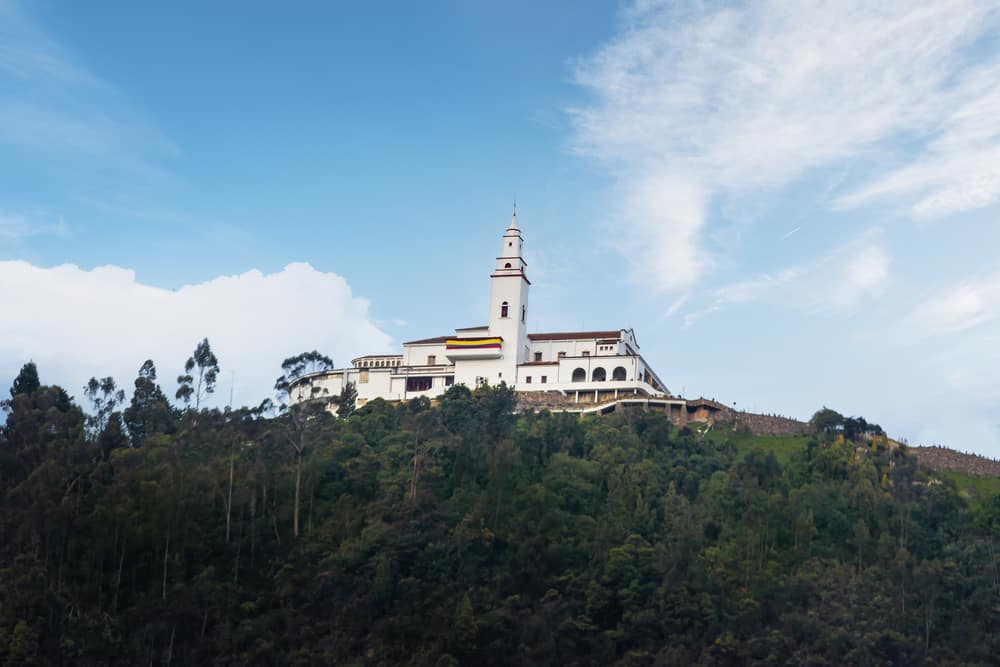
- Monserrate
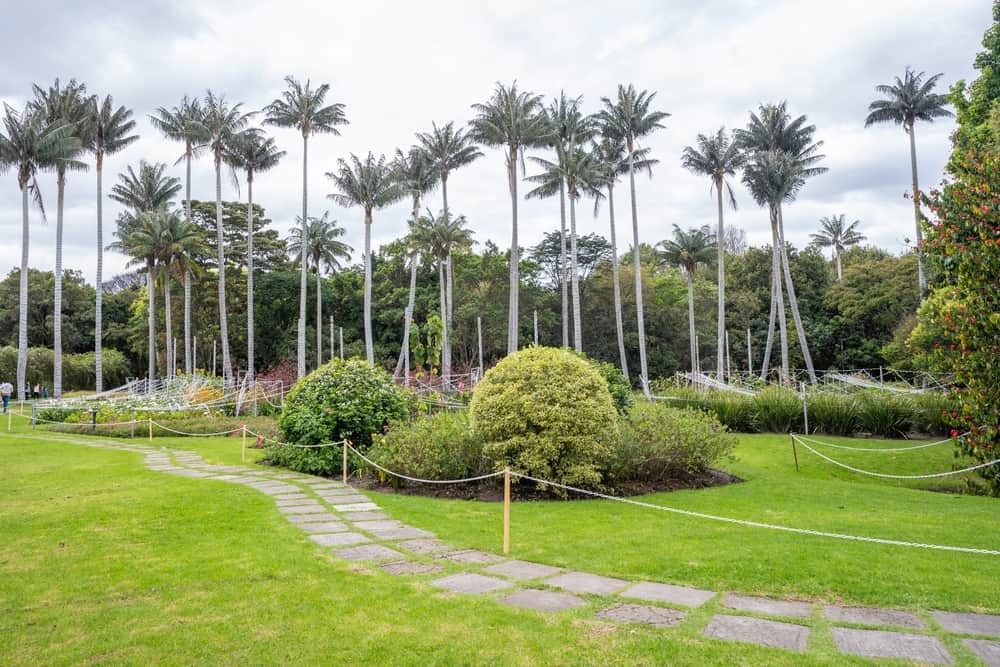
- Celestino Mutis Botanic Garden
- La Candelaria
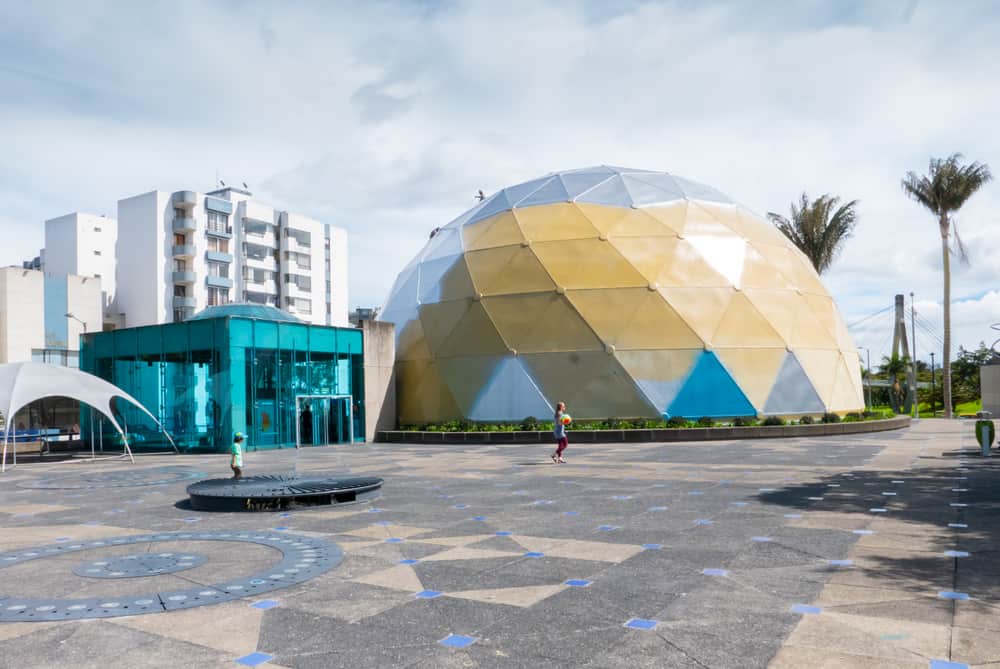
- Maloka
- Catedral de Sal en Zipaquirá
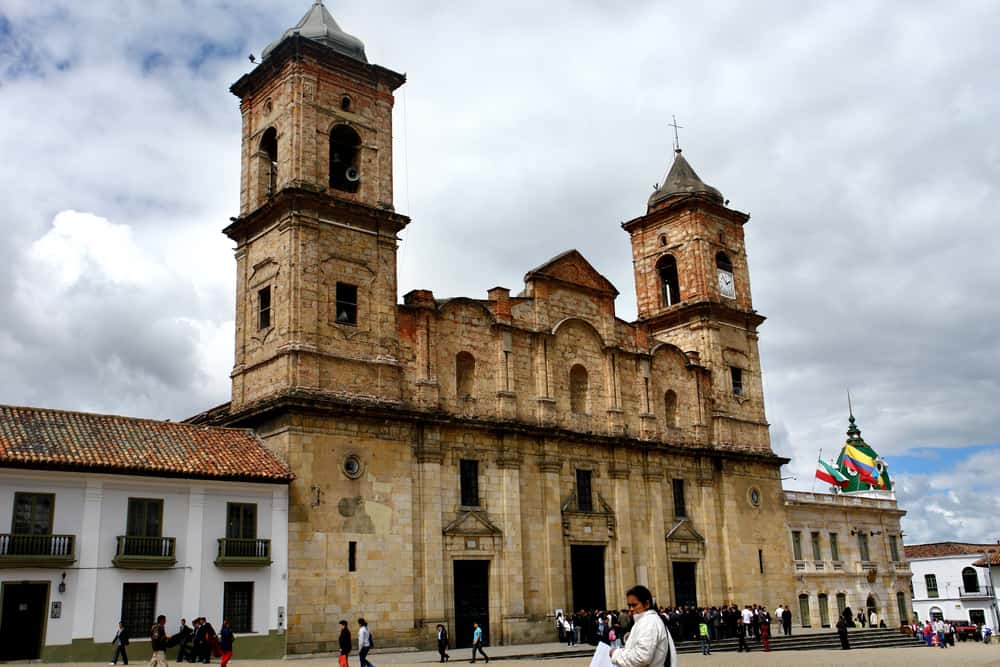
- Horse riding
- Diving
- Rafting
- Archeology
- Eje Cafetero Colombia
- San Andrés Island
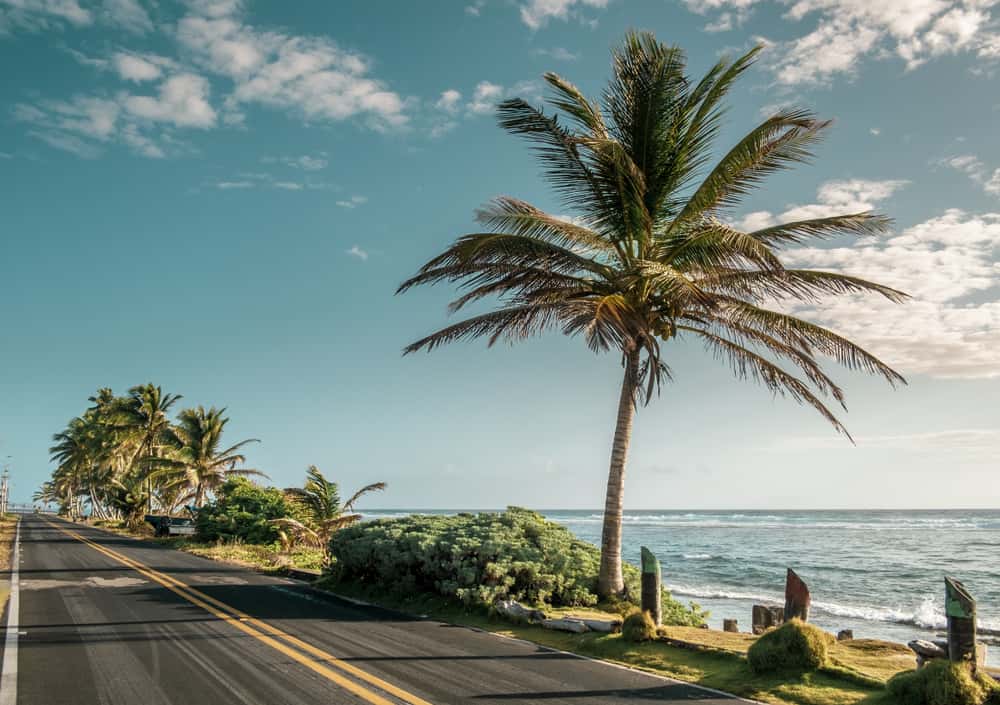
- Restaurants
FAQ
1. Is it safe to travel to Colombia?
Much like a pet iguana, Colombia can be perfectly safe if you respect it and use common sense. The country has come a long way in terms of safety in the last few decades, but like any travel destination, it’s best to stay aware of your surroundings and avoid risky areas.
2. What’s the best time to visit Colombia?
Colombia is like a good friend—it’s great to visit any time of the year. However, keep in mind that the dry season from December to March might have the most pleasant weather.
3. What are the must-see attractions in Colombia?
Colombia is like a fun-filled piñata—there’s a lot to see! Don’t miss out on Cartagena’s old town, the coffee region, Medellin’s innovative urban spaces, and the vibrant capital, Bogota.
4. Do I need a visa to travel to Colombia?
It depends on where you’re from. It’s like being invited to a fancy party—sometimes, you need an invite (or visa), and sometimes, you don’t. Citizens from several countries, including the US, do not need a tourist visa for stays of 90 days or less.
5. What’s the food like in Colombia?
Oh, let’s talk about the glorious food! Colombian cuisine is as diverse as a tropical rainforest. Be sure to try bandeja paisa (a hearty platter of beans, rice, and meat), arepas (corn cakes), and fresh tropical fruits. It’s a culinary adventure!
6. Is Colombia expensive to travel in?
Colombia is a bit like a thrift store—there are great deals to be found if you know where to look! On the whole, it tends to be more affordable than many other South American countries.
7. What currency do they use in Colombia?
In Colombia, they use the Colombian peso. It’s like the Monopoly money of the country, but it’s real and it gets you food, souvenirs, and experiences!
8. Do many people speak English in Colombia?
Think of English in Colombia like a rare bird sighting – it exists, but it’s not as common. While you’ll find English speakers in touristy areas and among younger people, a lot of Colombians only speak Spanish. So brush up on your “Hola” and “Gracias”!
9. What is the healthcare like in Colombia?
Colombia’s healthcare is like a secret recipe – it’s surprisingly good! The country is known for its high-quality healthcare, particularly in major cities. However, always make sure you have travel insurance, as the guacamole doesn’t always come free with the chips!
10. Is the water safe to drink in Colombia?
In major cities and tourist destinations, it’s generally safe to drink tap water – but when in doubt, bottled water is your trusty sidekick. It’s like wearing sunscreen on a beach day; it’s better to be safe than sorry!
11. How should I dress in Colombia?
Colombia is pretty diverse, so it’s like choosing an outfit for a day with various weather forecasts. In the coastal regions, it’s warm so light clothing is suitable. In the Andean regions, it can get chilly, so bring a sweater or light jacket. And remember, Colombians generally take pride in their appearance, so dressing neatly is appreciated.
12. What about altitude sickness in Colombia?
In higher altitude areas like Bogota, some people might experience altitude sickness – it’s like partying too hard, but without the actual party. Make sure to rest, stay hydrated, and take it easy for your first few days at high altitudes.
13. Are credit cards widely accepted in Colombia?
Credit cards are accepted in many places, especially in larger cities. But, much like carrying a snack for emergencies, it’s always a good idea to have some cash on hand for smaller businesses or rural areas.
14. Any unique cultural etiquettes I should be aware of in Colombia?
Colombians, like most Latin cultures, tend to stand closer during conversations and use more physical contact. They’re also famously hospitable and polite. So don’t be taken aback if they offer you the biggest piece of cake at the table!